









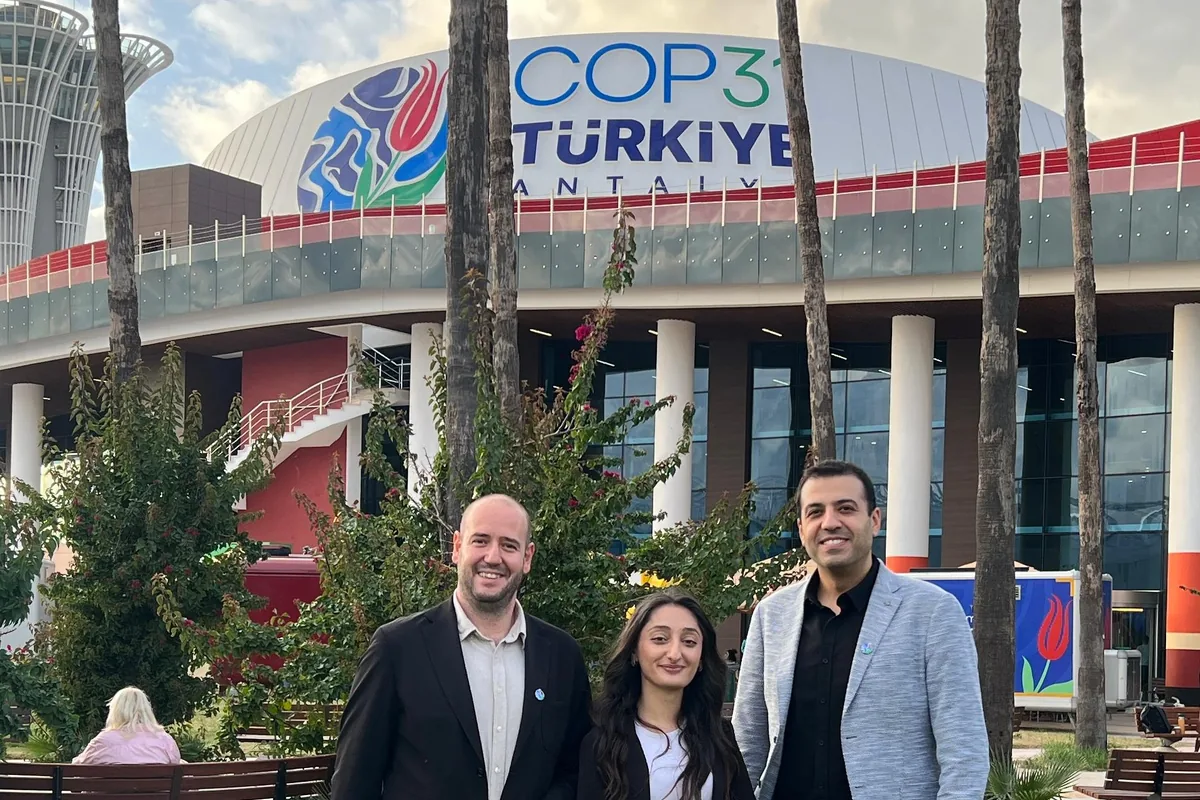
COP31 Antalya brought the global climate conversation to one of the world’s best-known tourism destinations. Moreover, sustainable tourism had a day of its own on the programme. The RoyalCert team therefore spent time in the COP31 Green Zone. We followed the sessions on how tourism can turn sustainability goals into everyday practice. In this article, we share what we saw and what we took home.
COP31 Antalya at a glance
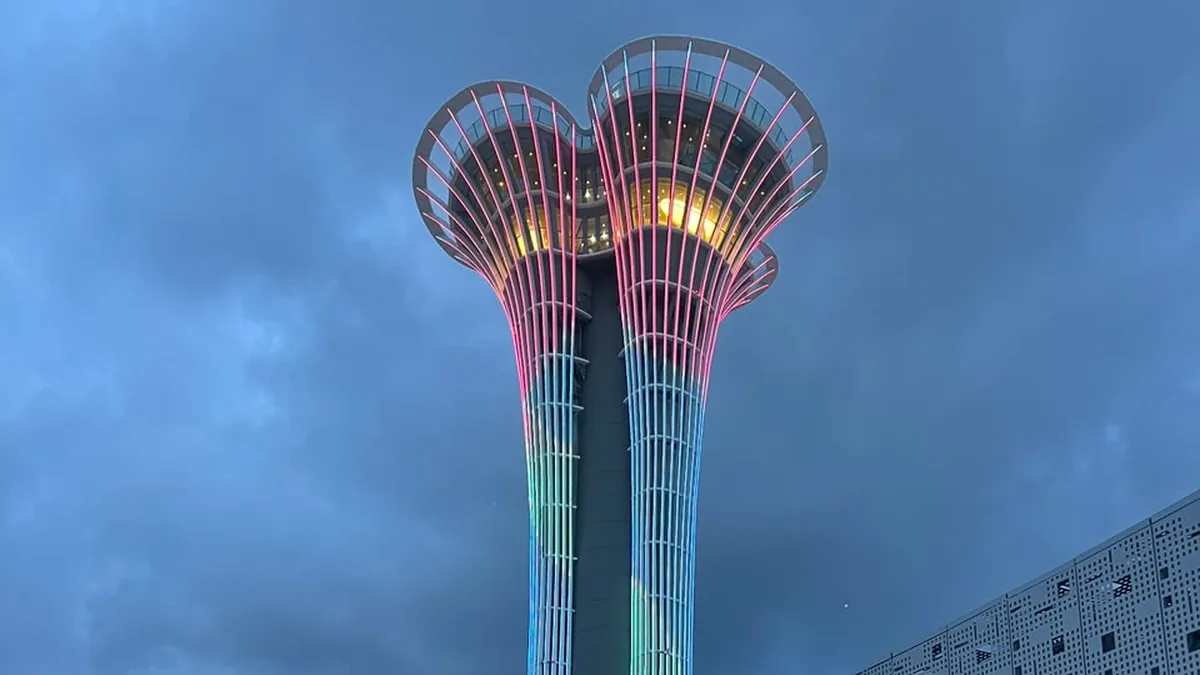
The 2026 United Nations Climate Change Conference was hosted at the Antalya Expo Center in November 2026. The negotiations took place in the Blue Zone. In addition, the organisers built a Green Zone of around 582,000 square metres. It was open to businesses, universities, civil society and the public. Its thematic areas included zero waste, climate finance, energy, resilient cities, culture and business.
Antalya welcomes millions of visitors every year. Hosting a climate conference was therefore more than a matter of logistics. Tourism is one of the sectors most exposed to a changing climate. As a result, COP31 Antalya placed the sector right beside the discussion about solutions.
Tourism Day at COP31 Antalya: from commitments to implementation
18 November was the day tourism took the stage. UN Tourism built its Tourism Thematic Day at COP31 around one ambition. The sector should move from commitments to implementation and scale. In particular, the focus was on low-carbon, zero-waste and climate-resilient destinations.
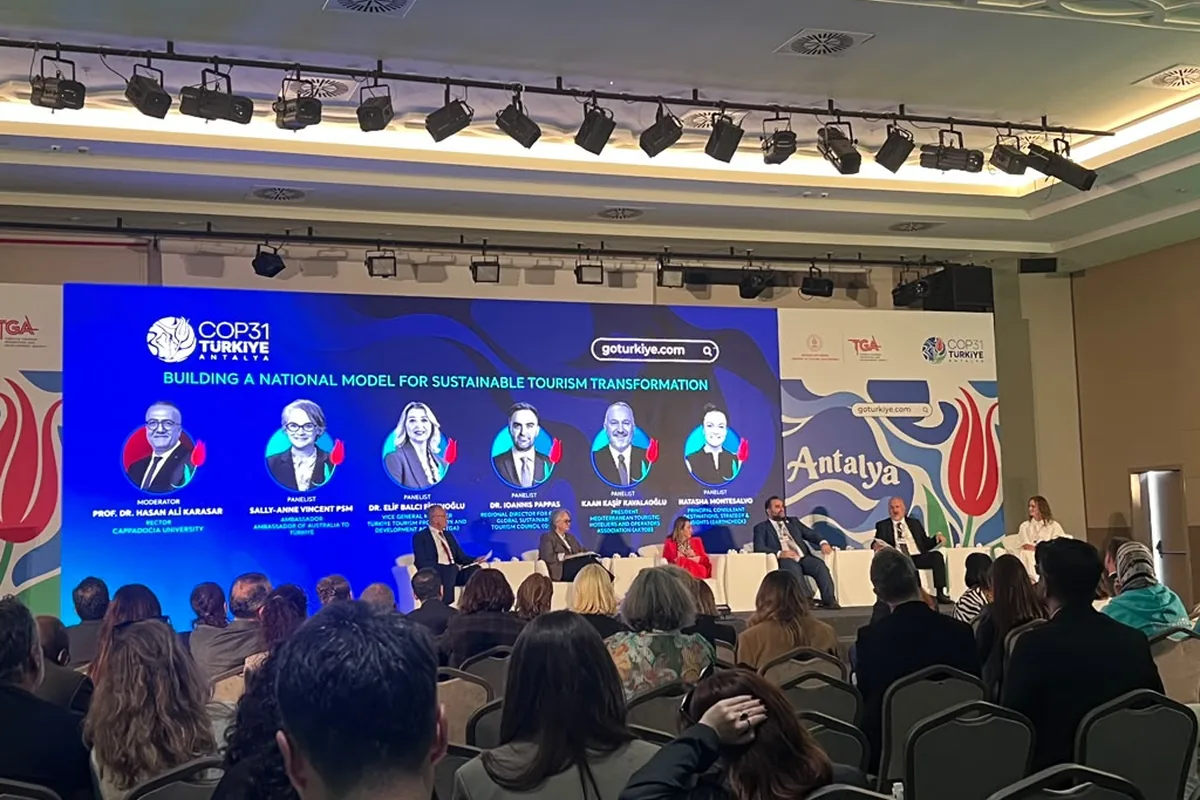
Meanwhile, the Green Zone hosted the Tourism and Cultural Heritage Day. The Republic of Türkiye Ministry of Culture and Tourism organised it. The Türkiye Tourism Promotion and Development Agency (TGA) was its co-organiser. The Global Sustainable Tourism Council took part in the programme. According to the Council, the panels addressed national approaches to sustainable tourism. They also covered investment in hospitality and infrastructure, as well as cultural heritage. Our team followed these sessions from the audience.
A national model for sustainable tourism
The first panel was titled “Building a National Model for Sustainable Tourism Transformation”. It brought government, TGA and the Global Sustainable Tourism Council onto one stage. In addition, the hotel sector and international sustainability organisations were represented. The title set the question for the afternoon. How can tourism be transformed at national scale, instead of one hotel at a time?
Sustainable tourism investments
A second session followed: “Sustainable Tourism Investments: Hospitality, Infrastructure and Innovation”. It added the perspective of those who finance and operate tourism. Indeed, the fact that investment had a dedicated session at COP31 Antalya says something. Sustainability is now discussed as part of how tourism is funded and built. In other words, it is no longer only a communication topic.
Zero waste was hard to miss at COP31 Antalya
Zero waste was one of the most visible themes of the Green Zone. For example, it had its own thematic area and its own programme. One session covered the removal of damaged structures after disasters. It also addressed waste management strategies, a subject that carries particular weight in Türkiye.
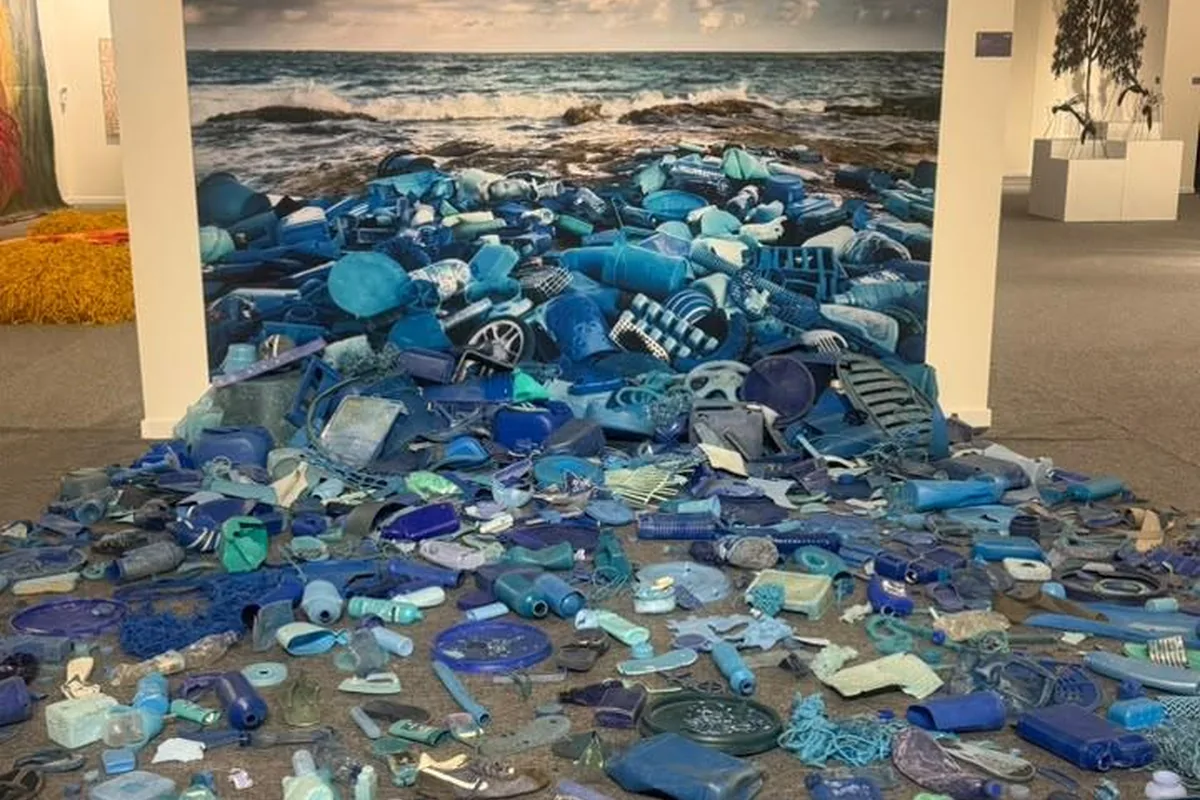
However, the theme reached beyond the panel halls. In the art exhibition, several installations were built entirely from recovered plastics. As a result, the scale of the problem was difficult to ignore. They said in a few seconds what a report needs many pages to explain.
What we took home from COP31 Antalya
Three impressions stayed with our team after the sessions. However, they are our own reading of what we saw. They are not official conclusions of the conference.
Scale needs a shared framework
Individual efforts matter. However, they add up faster when a country, a sector and its partners share the same definitions. That is what the discussion about a national model was really about.
Credibility and investment go together
Sustainability is becoming a condition of financing. Therefore, statements have to be backed by evidence. Regulation in Europe is moving in the same direction. For example, we described this shift in our article on the EU greenwashing rules.
Circularity is moving to the centre
Waste, food and resource use were present in almost every corner of the Green Zone. As a result, circularity is becoming part of daily operations for tourism businesses. It is no longer a side project.
Why this matters for tourism businesses
For hotels, tour operators and destinations, the message is practical. First, measure what you do: energy, water, waste and emissions. Second, document it so that others can check it. Finally, communicate only what you can show. These steps are not new. However, COP31 Antalya showed that they are becoming the norm rather than the exception.
Looking ahead
The conference was a reminder of something simple. Climate commitments matter most when they turn into measurable, credible action. We therefore return with new perspectives. Above all, we remain committed to contributing to that journey alongside the organisations we work with.
Finally, we thank the organisers and everyone who shared their experience in Antalya.